
Fathers Day, huh?
The day we honor the dads among us has always been kind of a secondary holiday behind Mothers Day. I think comedian Jim Gaffigan explained it best when he said women go through quite a lot actually to become mothers, while all he had to do to become a father was have sex with his wife.
That was pretty much all my own father did. He deserted us before my third birthday and we never saw or heard from him again. In fact, he could have died the next week or be coming up on his 99th birthday later this summer for all I know.
I have one extremely vague memory of him that becomes more vague with every passing year. It was of me standing in a playpen in the fall of 1952 and him saying goodbye to me on the night he left at the age of 25.
What little I know of him is all from his life leading up to that moment. He was born in Atlanta in 1927, his parents divorced in the 1930s and both died in the late 1940s. His mother died of cancer and his father was killed in an automobile accident along with his second wife. His father is buried in Macon, Ga.
Charles Whitcomb was a successful salesman who was an army veteran of World War I. His son Wesley — my father — made it into WWII right at the end as an 18-year-old in the navy.
With his parents divorced and his dad on the road, Wesley was sent to boarding school at the Missouri Military Academy in Mexico, Mo. After the war, he attended Northwestern University, where he met my mother. They were married in 1949 and had two children before he decided not to be a family man and left.
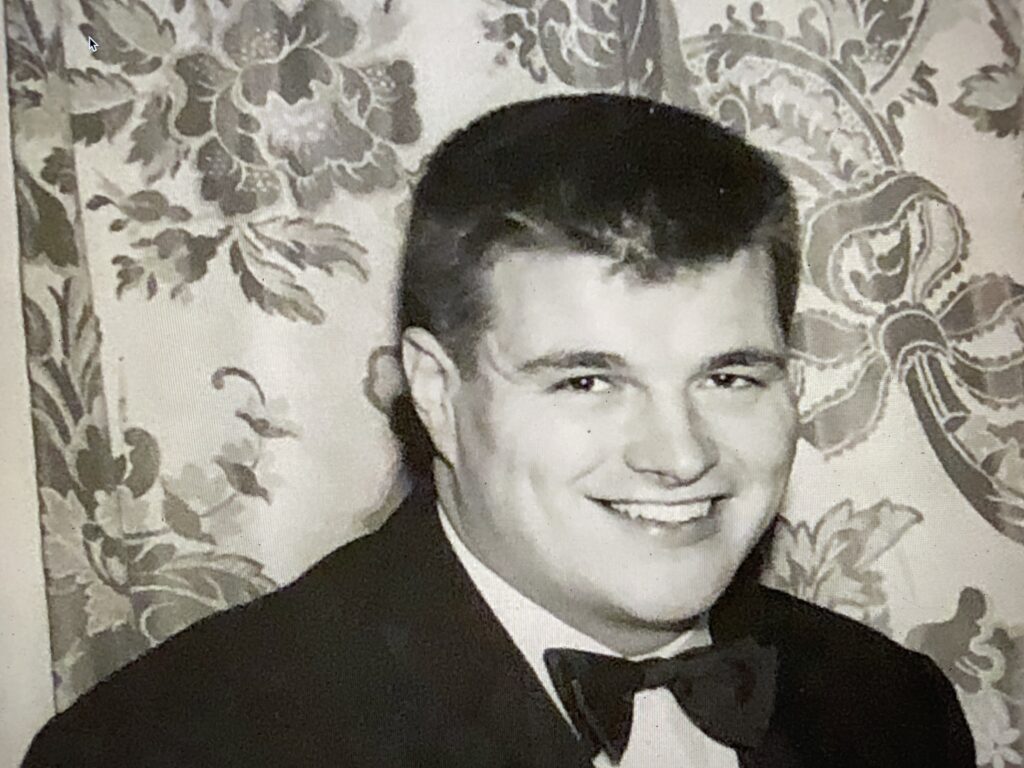
I look at the lopsided smile and the cowlick in the center of his forehead and see my younger self. I look at other pictures and I see the genes of my own battles with my weight, although he was never obese or even fat, just beefy or chunky. I have heard he was outgoing and had a good sense of humor, but also that he was irresponsible and not great with money.
He sounds a lot like his son who never knew him.
I would never call Wesley my dad. Most of the stuff I learned about being a man when I was little came from my maternal grandfather. Except for a couple of years in Buffalo in the early 1920s and of course his own service in WWI, Paul Theodore Kindinger lived his entire life in a little Ohio town called Crestline.
He was the town’s police chief from just before Pearl Harbor until the early 1950s. He grew his own fruits and vegetables and he actually built a small room on the back of his house that served as a laundry room. The smartest thing he ever did was marry my grandmother and stay married to her for 65 years.
Nearly all of my good childhood — pre-teen — memories are from the two or three weeks I spent in Crestline every summer. Indeed, if I have a hometown of my heart, that’s where it is. I haven’t been there since March 1990 when we buried my grandmother, but I still dream about it occasionally.
As for Fathers Day, I always feel like it really ought to be Dads Day. I never really had a father, but Norman Rappaport was my dad from 1956 until his death in 2008. We had a tumultuous relationship, but he was always there for me when I really needed him. He got angry with me about a year before he died when the last time I saw him, I apologized for being a bad son.
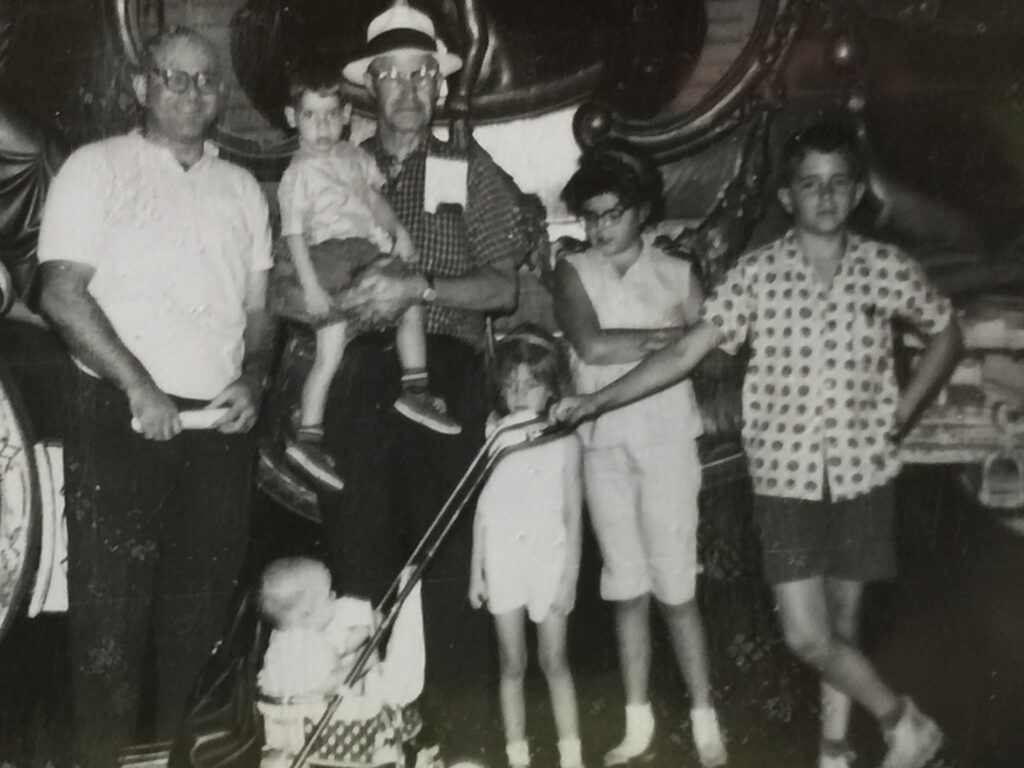
I wasn’t, he said.
But how would I know? If I had a father at all, the best thing I could say was that he was a bad one.
So to Norman in the afterlife, happy Dads Day. As I neat the end of my life, you are still the finest man I have ever known.