
A completely different world?
In my previous post, I addressed the statement made by someone obviously under the age of 25 saying that we lived in a completely different world in the 1960s.
I showed that in some ways, the differences cited were questions of degree. But there are ways — both good and bad — in which things are extremely different now than they were 60 years ago.
Let’s start with population. There were about 3.4 billion people of Earth in 1966, nearly five billion less than the estimated current total of 8.3 billion. The growth rate is a little less in the U.S., with 196 million then and 349 million now.
Still, that’s one helluva lot of growth, putting major pressure on food, water and oil supplies. Not to mention garbage and trash disposal. I have written before about the trash patch in the Pacific Ocean the size of Texas. Of course as far back as 1912, the Titanic was dumping as much as a ton of human waste a day directly into the North Atlantic.
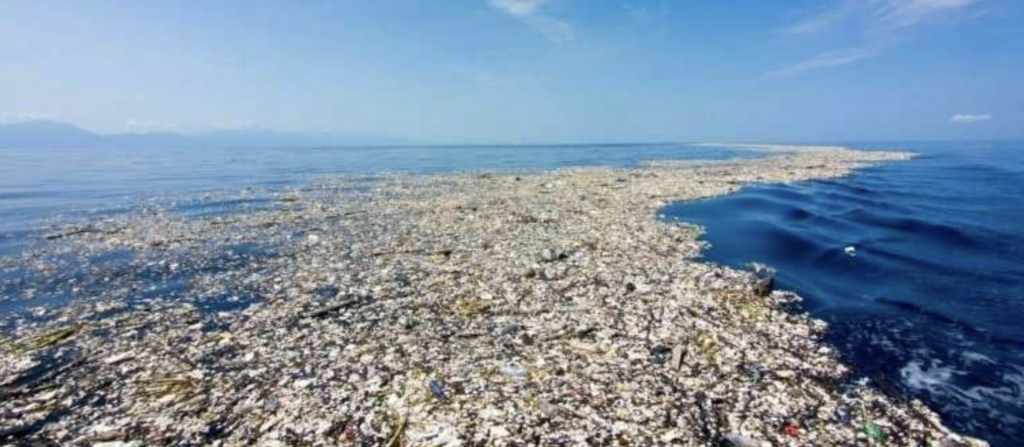
Still, most of us will never see the planet turning into the Earth of “Wall-E” until it’s far too late. We will just live out our relatively minuscule lifespans and see only degrees of change.
Ironically, many of the biggest changes have some in the way we entertain ourselves. I wrote previously about how limited television was in the ’60s. Think about this. In the days before cable stations like HBO or Showtime, the days before video recorders, DVD players or streaming video, if you wanted to see a movie, your only choice was to go to a theater and buy a ticket.
Even worse, before the mid ’70s, movies didn’t open at 2,000 theaters or more the first weekend. One of my favorites from the ’60s, “The Graduate,” played at one theater in the Washington, D.C., area for the better part of a year before going wide.
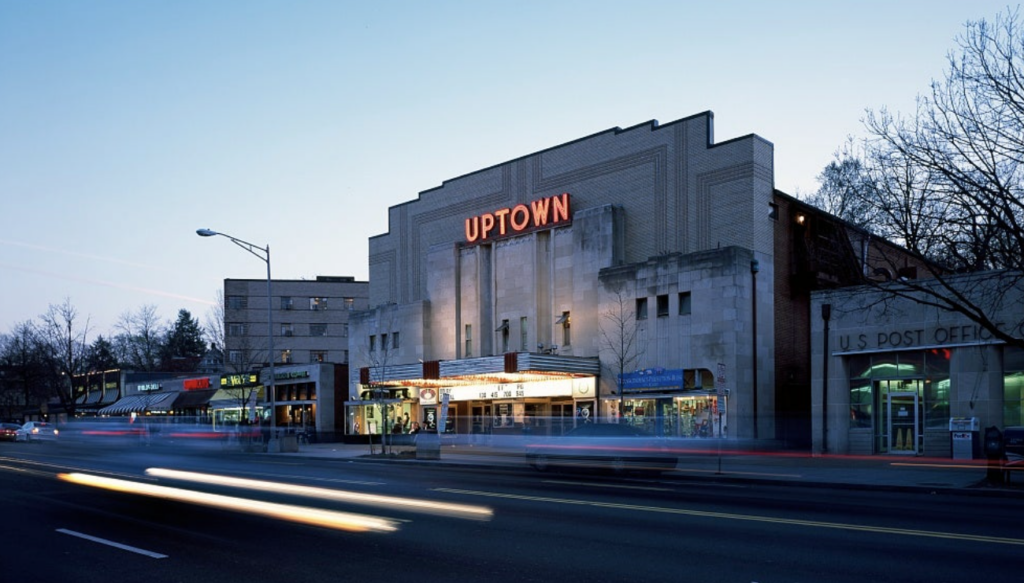
That theater, up Wisconsin Avenue almost to the Maryland line, was also where movies like “The Exorcist” and “The Deer Hunter” opened in the 1970s. In 1973, when “American Graffiti” opened, I saw it four or five times with different friends. Now I can just stream it whenever I want.
Of course it’s not the same. Seeing a great movie in a theater with a large crowd is an event. Seeing the same movie alone at home is just another TV show. One thing that has done to my viewing habits is that I don’t watch many new movies. The last Oscar winner for Best Picture I saw was 2016’s “Spotlight” and I saw that at home.
The last one I saw in a theater was “Slumdog Millionaire” in 2008.
Maybe an even bigger change between then and now is the Internet, particularly so-called social media. There are few things that come to mind that have had such positive and negative effects on our society.
It’s obvious that one positive effect has been the ability to keep in touch with people who otherwise had vanished from our lives. In fact, my life might have been very different if Facebook had been around 40-50 years ago.
On the other hand, it has made it a lot easier for people who are, pardon the expression, assholes. They’re able to see there are more people like them than they had thought. The obvious reaction is hey, I’m not so bad.
Speaking of those people, without the Internet and particularly Twitter, I don’t think Donald Trump could possibly have been elected president.

Twitter put him in direct communication with his Trumpanzees without a filter and let him exaggerate or lie without being challenged.
Tie it in with another change — 24-hour news channels and Ronald Reagan’s abolition of the Fairness Doctrine — and there is way too much political silliness now that wasn’t around then.
Of course there are all sorts of other differences in the way we live, but if you’re looking for one thing that is a huge difference between 1966 and 2026, it’s smartphones. Again, there are positives and negatives. If you have a phone in your pocket, it’s tough to be out of communication if you want.
But of course, there is so much more to smartphones than just making phone calls. I have an iPhone 17 Pro Max with a 1 terabyte hard drive, and with more than half my storage space still open, I have more than a thousand ebooks, thousands of musical numbers, hundreds of movies and quite a few audiobooks.
Not to mention crossword puzzles and a few other video games.
Everything that has been downloaded, I could access in the middle of the Gobi Desert.
We’ve heard so much about how the phone in your pocket — a much cheaper model than mine — is more power than the ones NASA used to take the astronauts to the moon. That’s too bad, because they could have enjoyed themselves a lot more along the way if they watched “Star Trek” or “I Love Lucy” reruns on their trips there and back.
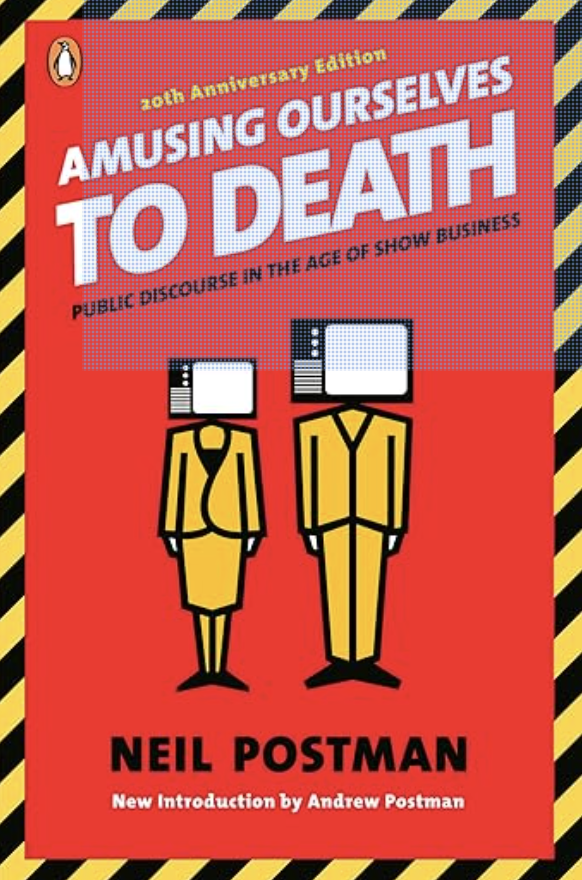
If you think about it, though, much of what we have accomplished for the general population is ways to make life more fun. Maybe that’s why Neil Postman’s wonderful book “Amusing Ourselves to Death” stings so much.
We don’t read very miuch anymore. We don’t exercise. We don’t have intelligent discussions.
All we do is sit in front of screens.
And yes, it is a completely different world. Just not a better one.